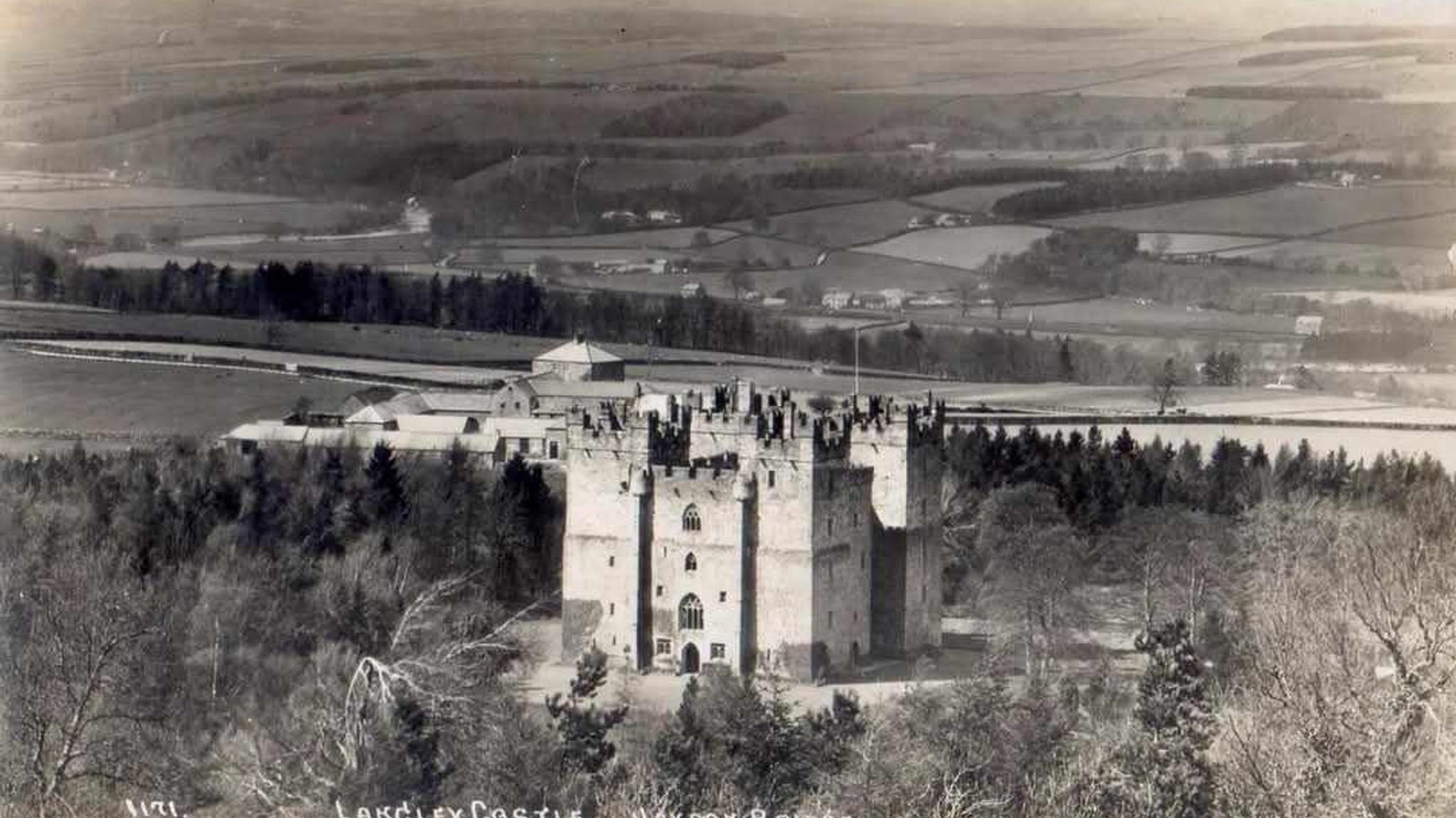

The Barony of Langley Castle
A Brief History of the Barony of Langley by Dennis Telford of Haydon Bridge.
Professor Dr. Stuart Madnick acquired the ‘Barony of Langley’ in April 2007. Such transfers from the Crown are apparently unusual; the last one being in 1989. It is wonderful that the heritage of Haydon parish in its earliest form has been reunited with the present day, through Dr. Madnick’s acquisition of the historic title of over eight hundred and forty two years.
This really is living history. These notes examine the time line and a brief history of the ownership of the Barony of Langley. Where the primary source material is obscure or confusing and when my secondary sources offer contradictory views, I have used my best efforts through further research to determine the most likely scenario. References: Greenwich Hospital National Archive, Kew. J. Hodgson 1840. C.J. Bates 1883. L.C. Coombes 1990. Manorial Auctioneers 2007. Some related Background: Greenwich Hospital was the brainchild of Mary II in 1692 and was founded by Royal Charter in 1694/95 for the relief of seamen and their dependants.
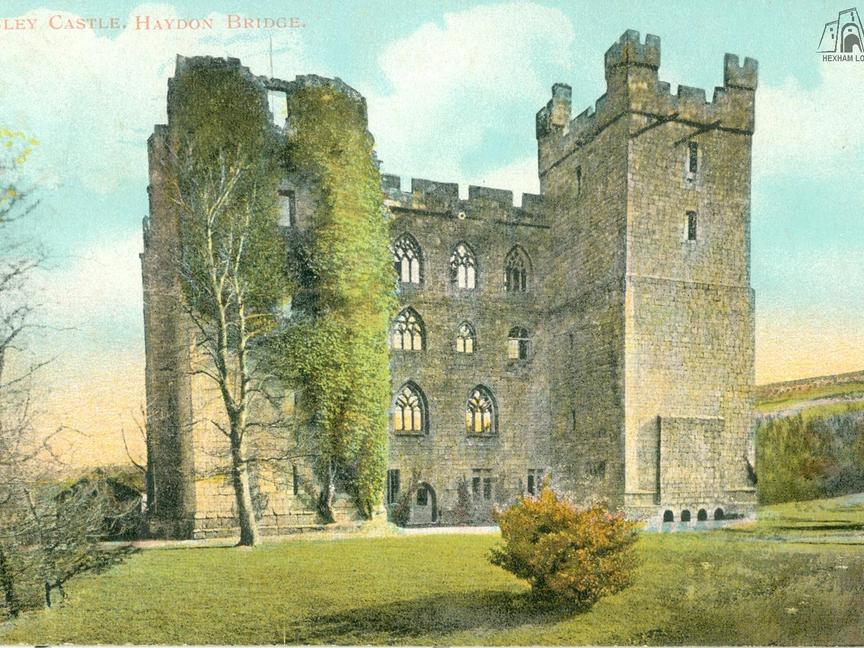
In the following year William II made a substantial grant of land and mon ey to the governors of Greenwich Hospital and that was augmented in 1716 with the forfeited estates of the Radcliffe Earls of Derwentwater, including the Barony of Langley. Hospital records show that when the Barony of Langley was granted, it consisted of Langley Castle ruins and many other estates. The Barony estate also generated the Hospital a good income through its leasing out the mining rights. In 1869 the hospital closed as a seamen’s home, but soon took on a new role as the Royal Naval College.
Today, the Greenwich Hospital derives its income wholly from its investments including income from commercial, agricultural and residential property, particularly in Greenwich where it owns a large part of the town centre.
Content Blocks
The first Barons of Langley, the Tindale family, were known to be in possession in 1165. Adam de Tindale was married to Helwise, the daughter of a local chieftain, and was a Sheriff of Northumberland. Adam died in 1191. Adam the younger was Adam’s son and the last of the male line. It seems that he held the Barony from 1190 to about 1250.
Phillipa was Adam the younger’s daughter and heir. Phillipa married Nicholas de Bolteby in about 1220 and the Barony eventually passed to the Bolteby family. Nicholas died in 1273. Nicholas’s son Adam died in 1291. Adam had two daughters, Isabella and her younger sister Eve, Isabella de Bolteby married Thomas de Multon who took the name de Lucy. His mother was one of two daughters of Rich ard de Lucy of Egremont.
Thomas died in 1304 and was succeeded by his eldest son, another Thomas de Lucy, then 24 years of age. Thomas the younger died childless in 1308 and the Barony came into the ownership of his younger brother Anthony. Anthony was active in the service of Edward II for twenty five years and was knighted in 1314.
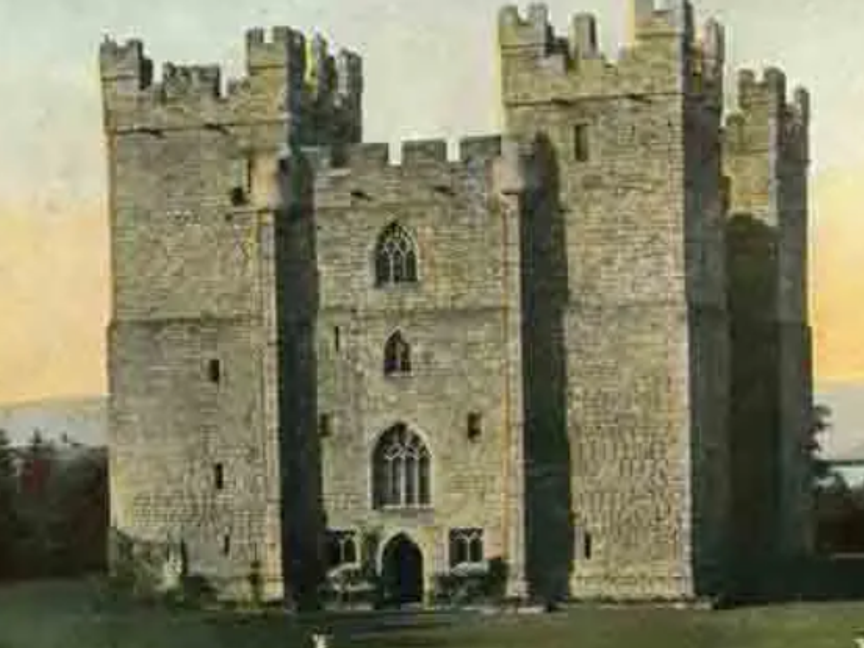
He died in 1343. Anthony de Lucy was succeeded by his son Thomas who began building his tower house, Langley Castle, in 1350. Following Thomas’ death in 1365 the Barony passed to his son Anthony.